



What Is an Industrial Gantry Crane?
A gantry crane is a heavy-duty lifting system designed to move materials horizontally and vertically within a defined working area. Unlike an overhead crane that runs on elevated runway beams, a gantry crane is supported by legs that travel on rails or wheels installed on the ground.
Because of its independent supporting structure, a gantry crane can be installed in locations where a traditional overhead crane system is not practical, such as outdoor yards, ports, shipyards, construction sites, and large manufacturing facilities.
Modern industrial gantry cranes are widely used for handling steel structures, machinery components, precast concrete products, containers, and other heavy loads that require safe and efficient movement.
For companies looking for a flexible lifting solution without major building modifications, an industrial gantry crane provides an effective alternative.
Why Are Gantry Cranes Important for Industrial Material Handling?
In many industrial environments, lifting requirements change with production processes. Heavy components may need to be moved between storage areas, production lines, assembly stations, or transportation zones.
A properly designed gantry crane helps improve material handling efficiency by:
- Reducing manual handling and equipment movement
- Improving workplace safety
- Increasing loading and unloading efficiency
- Providing wider lifting coverage
- Supporting heavy-duty industrial operations
Compared with mobile lifting equipment such as forklifts, gantry cranes provide more accurate positioning and better long-term performance for repeated lifting operations.
For outdoor applications, a gantry crane also offers advantages because it does not require a complete factory building structure for support.
What Are the Main Types of Gantry Cranes?
Different industries require different gantry crane designs. Selecting the correct type depends on lifting capacity, working environment, operation frequency, and available space.
Full Gantry Crane
A full gantry crane is supported by two legs and travels along ground-level rails. The complete crane structure moves across the working area, allowing efficient handling of heavy loads.
Typical applications include:
- Steel fabrication yards
- Precast concrete plants
- Shipbuilding facilities
- Heavy machinery manufacturing
- Outdoor storage areas
Advantages of full gantry cranes:
- High structural stability
- Large lifting capacity
- Suitable for outdoor operation
- Wide working coverage
- Ideal for heavy-duty applications
Full gantry cranes are commonly selected for projects requiring continuous lifting operations and large working areas.
Semi Gantry Crane
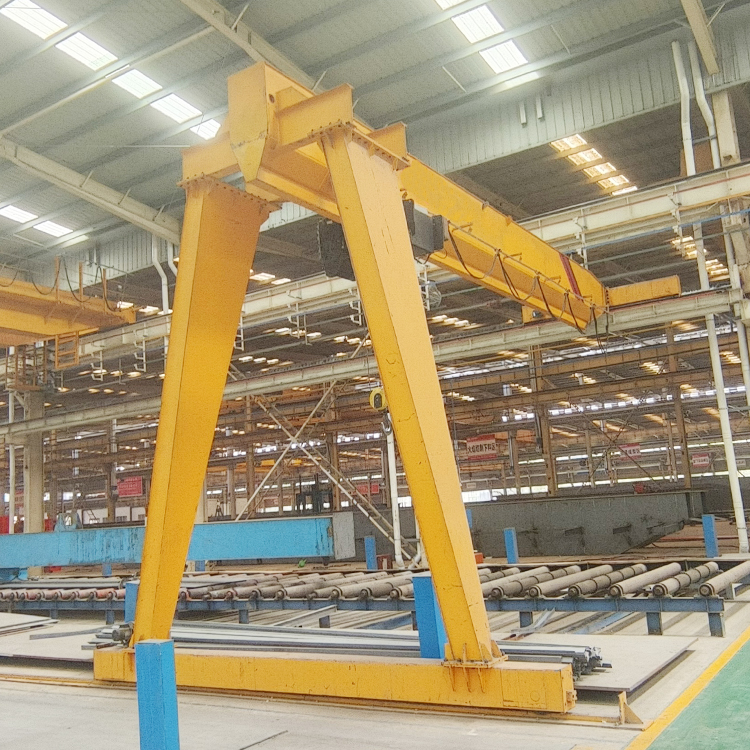
A semi gantry crane combines the features of an overhead crane and a traditional gantry crane.
One side of the crane travels on a ground rail, while the other side runs along an elevated runway structure.
This design is suitable for factories where:
- Existing building structures can support one side
- Floor space needs to be optimized
- Different lifting areas require flexible coverage
Semi gantry cranes can reduce construction requirements while maintaining efficient material handling performance.
Single Girder and Double Girder Gantry Crane
According to the main beam structure, gantry cranes can be divided into single girder and double girder designs.
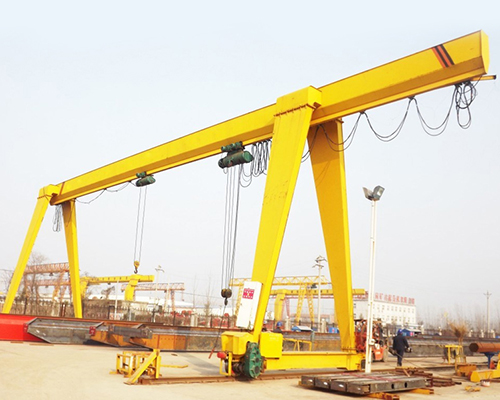
Single Girder Gantry Crane
A single girder gantry crane is suitable for light and medium-duty lifting applications.
Advantages include:
- Lower equipment cost
- Compact structure
- Easier installation
- Suitable for workshops and small yards
Typical applications:
- Machinery workshops
- Maintenance areas
- Storage facilities
Double Girder Gantry Crane
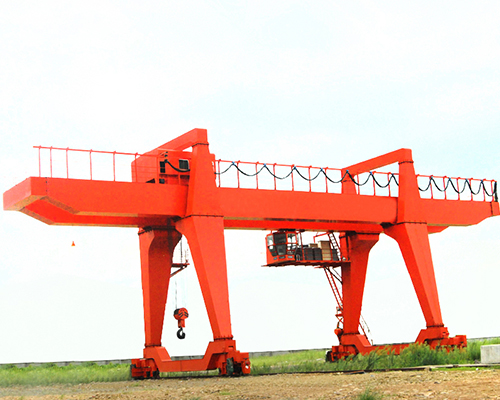
A double girder gantry crane is designed for higher capacity and more demanding working conditions.
Advantages include:
- Higher lifting capacity
- Better structural rigidity
- Longer service life
- Suitable for heavy industrial operations
Applications include:
- Steel plants
- Shipyards
- Large manufacturing facilities
- Heavy equipment assembly
How to Choose the Right Gantry Crane?
Choosing a gantry crane requires careful consideration of several technical factors. A suitable crane should match your actual working conditions rather than simply selecting the highest capacity model.
1. Determine the Required Lifting Capacity
The first step is identifying the maximum weight that needs to be lifted.
When calculating capacity, consider:
- Actual load weight
- Hooks and lifting attachments
- Spreaders or lifting tools
- Future production requirements
For example, if a steel component weighs 45 tons and the lifting accessories add another 2 tons, the crane capacity should be selected based on the total lifting load.
Selecting the correct capacity improves safety and prevents unnecessary investment.
2. Consider Span, Lifting Height and Working Area
The gantry crane span determines the distance between the supporting legs, while lifting height determines how high the load can be raised.
Important factors include:
- Available installation space
- Material storage layout
- Transportation routes
- Required hook coverage
A properly designed gantry crane should provide enough coverage without increasing structural costs unnecessarily.
3. Evaluate Working Environment
The operating environment has a direct impact on crane design.
For outdoor gantry cranes, important considerations include:
- Wind load resistance
- Rain protection
- Anti-corrosion treatment
- Electrical protection
- Temperature conditions
For indoor applications, customers may focus more on:
- Compact structure
- Headroom requirements
- Production line integration
A professional gantry crane manufacturer should evaluate the complete working environment before recommending a solution.
4. Select the Correct Duty Classification
Gantry crane duty classification depends on:
- Working frequency
- Daily operating hours
- Load spectrum
- Required service life
A crane used occasionally for maintenance has different requirements from a crane operating continuously in a steel production facility.
Choosing the correct duty level helps ensure reliable performance and reduces long-term maintenance costs.
What Are the Main Components of a Gantry Crane?
A complete industrial gantry crane consists of several important systems working together.
Main Steel Structure
The steel structure includes:
- Main girder
- Supporting legs
- End carriages
- Rail traveling system
It provides the required strength and stability during lifting operations.
Hoisting Mechanism
The hoisting system is responsible for lifting and lowering loads.
Main components include:
- Electric wire rope hoist or trolley
- Hoisting motor
- Gear reducer
- Wire rope drum
- Hook assembly
The selection of the hoisting system depends on lifting capacity and working frequency.
Crane Traveling System
The traveling system allows the crane to move along the runway.
It includes:
- Wheels
- Motors
- Gearboxes
- Rail system
A reliable traveling system ensures smooth movement and accurate positioning.
Electrical Control System
Modern gantry cranes may use:
- Pendant control
- Wireless remote control
- Operator cabin control
- Variable frequency drive (VFD)
Advanced control systems improve operating accuracy and reduce load swinging.
Gantry Crane Safety Features for Industrial Applications
Safety is a critical consideration when selecting industrial lifting equipment.
Common gantry crane safety features include:
- Overload protection
- Upper and lower limit switches
- Emergency stop system
- Warning alarm devices
- Anti-collision systems
- Rail clamps for outdoor cranes
- Wind speed monitoring systems
In addition to equipment design, proper operator training and regular inspections are essential for safe crane operation.
How to Maintain a Gantry Crane for Long-Term Performance?
Regular maintenance helps extend crane service life and reduce unexpected downtime.
Daily Inspection
Operators should check:
- Hook condition
- Wire rope or lifting chain
- Abnormal noise
- Control functions
- Safety devices
Periodic Maintenance
Maintenance work usually includes:
- Lubricating moving components
- Checking bolts and connections
- Inspecting electrical systems
- Checking wheels and rails
Long-Term Inspection
Professional inspections should evaluate:
- Steel structure condition
- Corrosion
- Motors and reducers
- Electrical components
A preventive maintenance program helps keep the gantry crane operating safely and efficiently.
Why Choose HY Crane as Your Gantry Crane Manufacturer?
HY Crane provides customized industrial lifting solutions for customers worldwide, including gantry cranes, overhead cranes, electric hoists, and other material handling equipment.
With experience in crane design and manufacturing, HY Crane focuses on providing solutions based on actual project requirements, including:
- Lifting capacity
- Working environment
- Duty classification
- Installation conditions
- Production requirements
Whether used in factories, warehouses, steel yards, shipyards, or construction projects, HY Crane works with customers to develop reliable and efficient gantry crane solutions.
From engineering design and manufacturing to technical support and after-sales service, HY Crane is committed to delivering lifting equipment that meets industrial application needs.
FAQ
What is the difference between a gantry crane and an overhead crane?
A gantry crane uses supporting legs that travel on ground rails, while an overhead crane usually operates on elevated runway beams installed inside a building.
What industries use gantry cranes?
Gantry cranes are commonly used in:
- Manufacturing plants
- Steel processing facilities
- Shipyards
- Ports
- Construction projects
- Precast concrete factories
Can gantry cranes be used outdoors?
Yes. Many industrial gantry cranes are designed for outdoor applications with suitable protection against wind, rain, corrosion, and temperature changes.
How much weight can a gantry crane lift?
Gantry crane capacity depends on the design and application. Industrial models can be customized from small workshop lifting systems to heavy-duty cranes with hundreds of tons of capacity.
How long does a gantry crane last?
With proper design, operation, and maintenance, an industrial gantry crane can provide many years of reliable service.
How do I choose a gantry crane manufacturer?
A reliable manufacturer should provide engineering support, customized design capability, quality manufacturing, safety consideration, and after-sales service.
Conclusion
An industrial gantry crane is more than a lifting machine. It is an important part of an efficient material handling system.
Choosing the right gantry crane requires evaluating lifting capacity, working environment, duty requirements, and future operational needs.
With the right design and professional manufacturing support, a gantry crane can improve productivity, enhance workplace safety, and provide reliable lifting performance for years.
HY Crane provides customized gantry crane solutions designed to meet different industrial lifting challenges worldwide.
Post time: Jul-17-2026